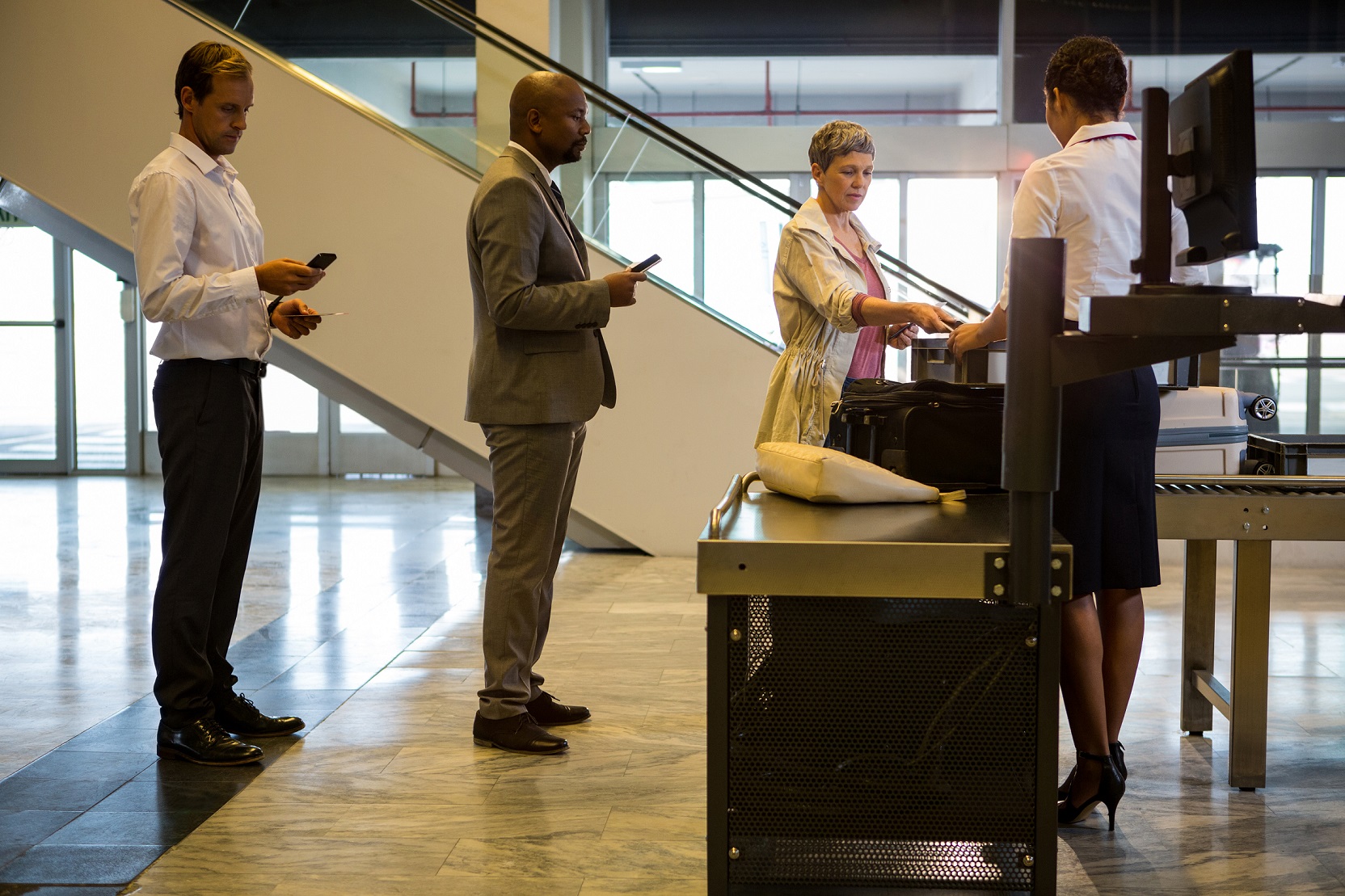
Long waiting lines are often treated as an unavoidable part of service operations. Hospitals, banks, government offices, and other high-volume environments frequently assume that congestion simply comes with the territory. In reality, persistent queues usually indicate operational inefficiencies that can be addressed through better coordination, visibility, and flow management.
A queue management system helps organizations control how customers or patients move through service points. When queues grow unmanaged, they affect not only waiting times but also staff productivity, operational costs, and customer satisfaction.
Below are ten clear signs that your organization may benefit from implementing a queue management system (QMS).
1. Long and Unpredictable Wait Times
One of the most obvious warning signs is consistently long and unpredictable wait times. Research across service industries shows that customers have limited tolerance for waiting, and delays beyond expected service windows often lead to frustration or abandonment.
In healthcare settings, patient waiting times are widely recognized as a major operational challenge. Studies on patient flow highlight that inefficient queue management can create delays that cascade through the entire service process—from registration to consultation and discharge. When waiting becomes unpredictable, both operational efficiency and customer confidence decline.
2. Customers or Patients Frequently Ask About Their Turn
If customers repeatedly approach staff asking when they will be served, it usually indicates a lack of visibility into the queue. Without clear communication about wait times or queue progress, perceived waiting time can feel significantly longer than the actual delay.
Research on service perception shows that when customers receive no updates on their position in line, they perceive the wait as much longer than it really is. Providing real-time information about queue status can reduce frustration and improve overall satisfaction even when wait times remain similar.
3. Physical Queues Create Congestion in Waiting Areas
Crowded waiting rooms and long physical lines are another indicator that queues are not being managed efficiently. In hospitals and public service environments, unmanaged lines can create safety concerns, disrupt operations, and increase stress for both customers and staff.
Congestion often occurs not because there are too many customers but because there is no structured way to organize arrivals and direct people to the appropriate service point. Queue systems help distribute demand more evenly and prevent overcrowding in physical spaces.
4. Staff Spend Time Managing Lines Instead of Serving
When staff members spend significant time organizing queues, calling out names, or directing customers manually, it reduces the time available for actual service delivery.
Operational efficiency studies show that manual queue coordination increases administrative workload and slows down service processes. Instead of focusing on service quality, employees end up performing crowd-management tasks that technology could handle automatically.
5. Walk-Ins and Appointments are Difficult to Balance
Many organizations struggle to manage both scheduled appointments and walk-in customers. Without a structured queue system, walk-ins may overwhelm scheduled services, while appointments may start late due to earlier delays.
Queue management systems help prioritize and balance different types of arrivals, ensuring that appointments remain predictable while still accommodating walk-ins when capacity allows. This structured flow helps maintain operational discipline throughout the day.
6. Service Counters are Unevenly Utilized
Another common sign of poor queue management is uneven workload distribution. Some service counters or departments may be overloaded while others remain underutilized.
This imbalance typically occurs because staff lack visibility into real-time demand across service points. Queue management systems help distribute customers dynamically, allowing organizations to optimize the use of existing staff and infrastructure.
7. Lack Real-Time Visibility into Waiting Customers
Many organizations still rely on manual tracking or simple ticket systems that provide limited operational insights. Without real-time data, managers cannot easily monitor wait times, queue lengths, or service efficiency.
Operational visibility is critical for identifying bottlenecks and improving service flow. When leaders can see how queues are evolving throughout the day, they can adjust staffing, open additional service points, or redirect customers before congestion escalates.
8. Peak Hours Overwhelm Your Operations
Most service environments experience predictable peak hours. However, when queues grow out of control during these periods, it often indicates that the organization lacks the tools needed to manage demand effectively.
Queuing research shows that delays during peak periods can create a snowball effect, where waiting customers accumulate faster than they can be served. Once congestion reaches a certain point, the system struggles to recover for the rest of the day.
9. Customers Leave before Being Served
Queue abandonment is one of the clearest indicators that waiting times have reached unacceptable levels. Studies across service industries show that a large proportion of customers are willing to leave a queue if waiting exceeds their expectations.
Every abandoned queue represents lost revenue, missed service opportunities, and potential reputational damage. In healthcare, patients who leave before consultation may delay treatment or seek care elsewhere.
10. Can’t Measure or Improve Wait Times
Finally, if your organization cannot accurately measure waiting times or service performance, it becomes difficult to improve them. Many service teams rely on anecdotal feedback rather than operational data to evaluate queue performance.
Modern queue management systems provide analytics that track metrics such as average wait time, service duration, queue length, and staff utilization. These insights allow organizations to identify inefficiencies and continuously optimize their operations.

How a Queue Management System Solves These Challenges
A queue management system introduces structure, visibility, and automation into the service process. Instead of relying on manual coordination, organizations can manage customer flow through digital queues, appointment scheduling, and real-time monitoring.
By organizing arrivals, distributing demand across service points, and providing customers with clear updates about their wait status, these systems improve operational efficiency while reducing perceived waiting time.
Organizations that implement queue management solutions often see improvements in service throughput, staff productivity, and customer satisfaction because the entire service journey becomes more predictable and controlled.
Improve Service Flow with ZunaQMS
If several of these signs sound familiar, it may be time to rethink how queues are managed in your organization. Long waiting lines are rarely just a capacity problem—they are usually a visibility and coordination challenge.
ZunaQMS platform helps organizations streamline customer flow, reduce waiting times, and improve service efficiency without expanding infrastructure. By combining digital queuing, real-time dashboards, and operational analytics, ZunaQMS enables service teams to manage demand more effectively and deliver a smoother experience.
Want to see how it works?
Book a demo with ZunaQMS to explore how smarter queue management can transform your service operations.