
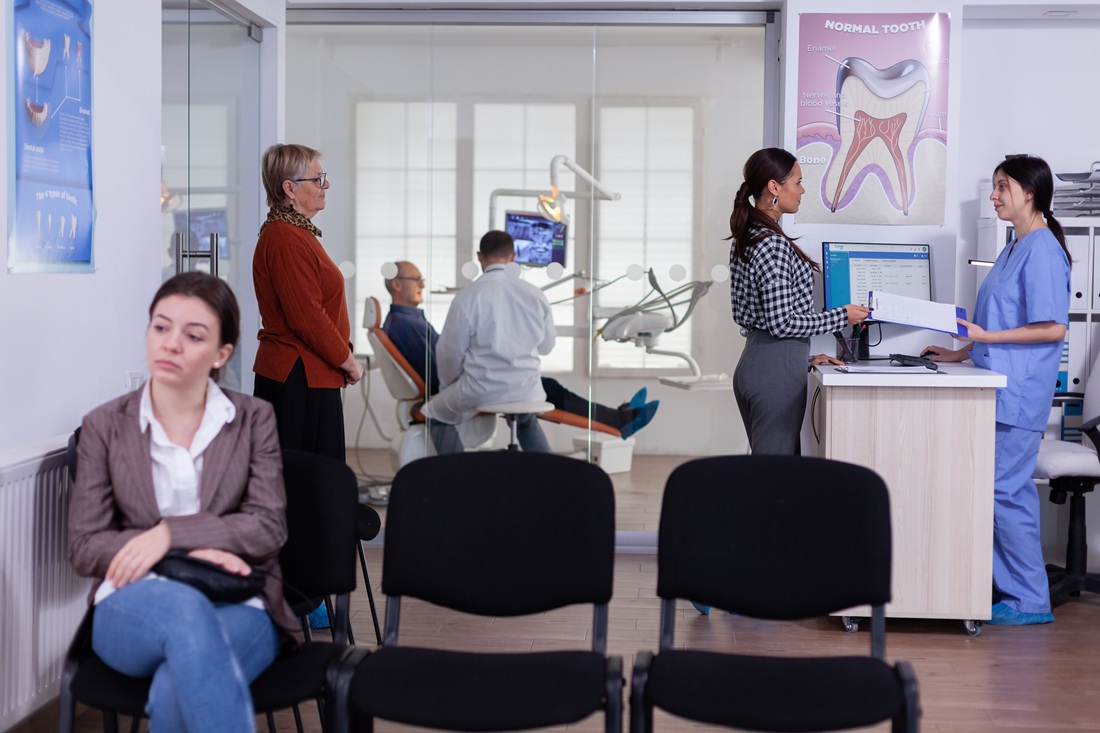
Every patient who walks out before consultation represents more than just a missed appointment—it is lost revenue, wasted staff time, and a disruption to hospital operations. In high-volume hospitals and clinics, patient walkouts can silently erode profitability, reduce throughput, and negatively impact patient satisfaction scores.
Hospital administrators increasingly recognize that managing patient flow efficiently is not optional—it is a strategic operational priority. Digital Queue management systems offer a proven way to reduce walkouts, optimize staff utilization, and improve both patient experience and revenue performance.
Understanding Patient Walkouts in Healthcare
What are walkouts
Patient walkouts, often referred to as “Left Without Being Seen” (LWBS), occur when patients leave a hospital or clinic before receiving care. This metric is a key indicator of service efficiency and operational health.
Why they happen
Research consistently shows that long waiting times and perceived delays are the primary causes of patient walkouts. Even with excellent clinical care, patients are likely to leave if they experience uncertainty or inefficiency during the waiting process.
Where they happen
Walkouts are most common in areas where patient flow is complex or high-volume, including:
- Outpatient Departments (OPD)
- Diagnostic laboratories
- Registration and billing counters
Why Patients Leave Before Being Seen
Long waiting times
The longer a patient waits, the higher the likelihood they will leave. Waiting time directly correlates with patient dissatisfaction and operational loss.
No visibility into the queue
Patients who cannot see their place in the queue or receive updates often perceive waits as longer, increasing the chance of walkouts.
Overcrowded waiting areas
Physical congestion in waiting rooms contributes to frustration and stress, reducing patience and confidence in the hospital.
Poor communication
Lack of timely updates about expected wait times drives uncertainty, which escalates dissatisfaction and drop-offs.
This is why many healthcare providers now recognize that waiting time is the new customer experience metric, as it directly shapes how patients perceive service quality.
The Hidden Cost of Patient Walkouts
Lost revenue per patient
Every walkout represents lost consultation fees, missed diagnostics, pharmacy sales, and potential follow-up revenue.
Impact on staff productivity
Walkouts disrupt workflow and force staff to spend extra time on administrative follow-ups instead of care delivery.
Lower patient retention
Patients who leave due to inefficiencies are less likely to return, impacting long-term revenue and hospital reputation.
Many of these challenges are closely linked to broader operational inefficiencies, as explained in Why Hospitals Lose Revenue Due to Poor Patient Flow.
How Queue Management Systems Reduce Patient Walkouts
Modern queue management systems address the root causes of walkouts by structuring patient flow, providing transparency, and improving operational efficiency.
Real-time queue visibility
Patients see their position in line, reducing uncertainty and increasing willingness to wait.
Digital token system
Structured queues remove the need for crowded lines, improving both patient comfort and staff workflow.
Predictable wait times
Knowing how long they will wait increases patient satisfaction and reduces drop-offs.
Load balancing across counters
Queue systems distribute patients evenly, preventing bottlenecks and reducing peak-hour stress.
Reduced overcrowding
Digital queues maintain organized waiting areas, enhancing patient experience and reducing anxiety.
Hospitals implementing these systems often find they can reduce wait times without expanding infrastructure, improving efficiency without increasing operational costs.

Signs Your Hospital Is Losing Patients Due to Poor Queue Management
Patients asking “how long?”
Frequent inquiries about waiting time indicate a lack of visibility and communication in the queue process.
Drop-offs before consultation
If patients are leaving before being seen, it is a clear sign that waiting time or queue management is a problem.
Peak-hour chaos
Overcrowding and disorganized service during peak hours suggest that patient flow is not being managed effectively.
These indicators closely align with the operational challenges outlined in 10 Signs Your Organization Needs a Queue Management System.
The Operational and Financial Impact
Improved patient retention
Patients are more likely to complete visits, reducing lost revenue and increasing repeat visits.
Better staff efficiency
Staff focus on care rather than managing lines or addressing frustrated patients, improving productivity.
Higher throughput
Structured queues allow hospitals to serve more patients effectively without additional staff or infrastructure.
Why Hospitals Must Act Now
Patient walkouts are not minor inconveniences—they are direct operational and financial threats. Hospitals that fail to address inefficient queues risk:
- Lost revenue
- Lower patient satisfaction
- Overworked staff
- Reduced operational efficiency
Investing in digital queue management systems is a strategic decision that addresses all these risks while enhancing patient experience.
How ZunaQMS Helps Reduce Patient Walkouts
ZunaQMS provides hospitals with a modern, intelligent queue management platform that:
- Digitizes patient queues across multiple departments
- Offers real-time visibility into patient flow
- Reduces waiting room congestion
- Optimizes staff productivity
- Enhances patient satisfaction
By transforming waiting into a structured, transparent process, ZunaQMS helps hospitals retain more patients, improve operational efficiency, and protect revenue.
Book a demo today to see how ZunaQMS can reduce patient walkouts and improve hospital throughput.