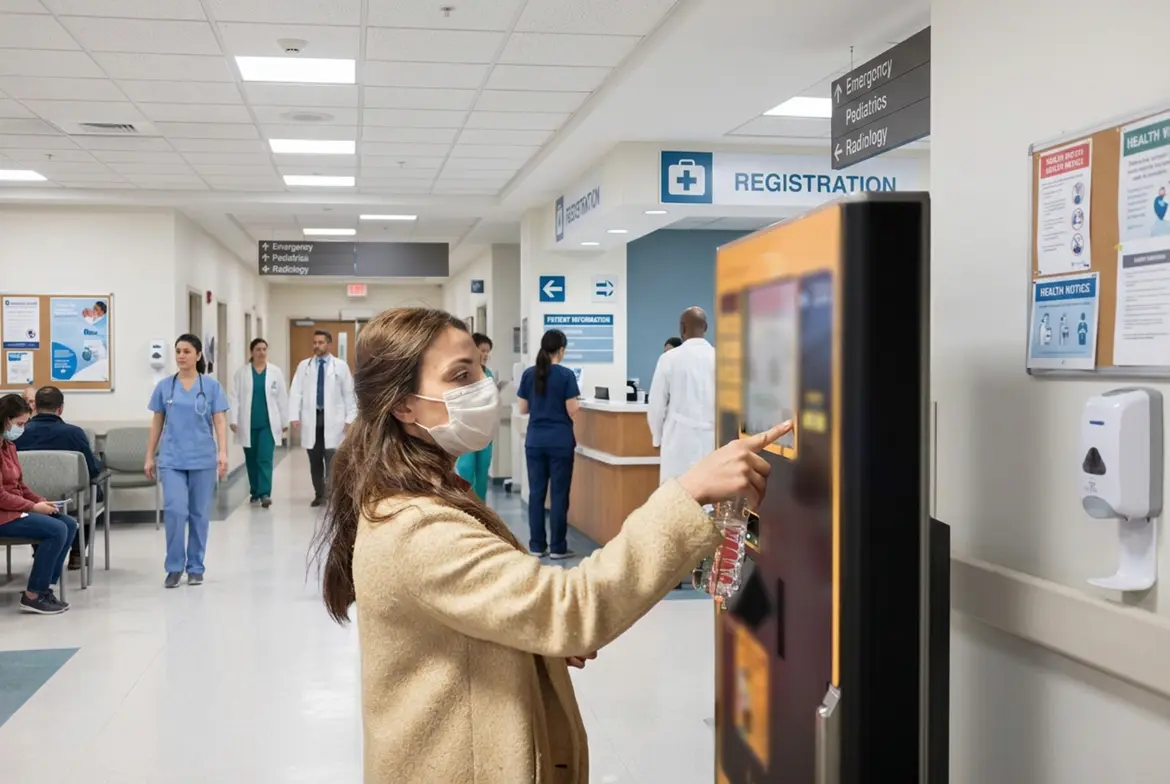
The waiting room used to be a place where patients waited. Today, it is where a hospital’s reputation is quietly decided. Before a patient meets a doctor, they have already formed an opinion about how well the organization runs, and that opinion is shaped by wait times, communication, and how fair the process felt.
Patient flow, the movement of people through every touchpoint of a healthcare facility, is being redefined. Healthcare leaders who still manage it with paper tokens, shouted names, and spreadsheets are falling behind. Here is where digital healthcare operations are heading, and what separates a basic tool from queue management for healthcare built for the future.
From Waiting Rooms to Waiting Anywhere
The biggest shift in patient flow is that the queue no longer must be physical. Virtual queuing lets patients join a line from a phone, a kiosk, or the front desk, then wait wherever they are comfortable: in a car, at a café, or at home. They return when their turn is near.
The benefits go well beyond comfort:
- Less crowding in corridors and waiting areas, which supports safer, calmer facilities.
- Better patient experience, because waiting feels shorter when it is not spent staring at a wall.
- Fewer walkouts, since patients trust the system is holding their place.
Virtual queuing is no longer a luxury feature. It is quickly becoming the baseline patients expect.
Real-Time Communication Replaces Uncertainty
Most frustration in healthcare does not come from waiting. It comes from not knowing. How long will it be? Did they forget me? Should I go and ask again?
Digital patient flow answers these questions before they are asked. Automated messages confirm a patient’s place in line; update estimated waits and calls them when it is time. Staff stop spending their day answering the same question at the desk, and patients feel informed rather than ignored.
Data Is Turning Operations into Strategy
Every ticket, every service time, and every no-show is a data point. For years, that information was invisible. Now it is an asset in healthcare operations.
A modern analytics dashboard should tell leaders far more than how many people were served. It should reveal where bottlenecks form, which hours need more staff, which services run long, and how wait times shift across days and seasons. The goal is not more reports. It is better decisions, made earlier and with confidence.
Appointments, Walk-Ins and Complex Care Are Converging
Hospitals no longer manage one type of patient flow. Scheduled visits, walk-ins, diagnostics, procedures, and follow-ups all compete for the same people and spaces. Managing them in separate silos creates conflict and delay.
The future is a unified view of operations, where queues, schedules, and resources work together. That extends beyond the front desk into areas such as operating theater planning, where scheduling accuracy directly affects staff utilization and patient outcomes. Organizations that connect these layers gain a clear advantage over those that treat each department as an island.
Why Most Solutions Fall Short
The market is full of queue management tools, and many look similar on a feature list. The differences appear when a facility actually tries to run on them.
Some providers offer only software and leave hospitals to source hardware elsewhere, creating compatibility headaches and finger-pointing when something fails. Others offer polished hardware with limited software depth. Many treat healthcare as just another industry rather than a setting with its own pressures, privacy expectations, and clinical urgency. And plenty stop at the queue, ignoring the wider operational picture.
These gaps matter. A hospital cannot afford a patchwork of tools that almost work together.
Where Zuna Pulls Ahead
Zuna was built around a simple belief: patient flow should be handled as a complete operation, not a single feature. That belief shows how the platform is designed.
One provider, hardware, and software. Zuna delivers the full experience, from kiosks and displays to the software that powers them. One partner, one point of accountability, and a system designed to work as a whole, rather than a collection of parts from different vendors.
Virtual queuing that patients can actually use. Patients can join and track their place remotely, reducing crowding and giving them freedom while they wait.
Real-time messaging and live staff updates. Patients stay informed, and teams stay aligned, without constant manual coordination at the front desk.
Analytics that drive decisions. The dashboard is designed to surface what leaders need to know, not just what is easy to count, so operational improvement becomes a daily habit instead of a yearly project.
Built for healthcare first. Hospitals, clinics, and labs each have different workflows. Zuna Health is designed around those realities, and the wider Zuna ecosystem, including Zuna OR Planner, extends the same operational thinking to scheduling and theater management. The result is a platform that supports every touchpoint, not just the waiting room.
This is what a premium, all-round solution looks like: complete, connected, and designed for the people who depend on it.
What to Ask Before You Choose a Platform
Whether you are replacing a legacy system or digitizing for the first time, a few questions separate strong partners from average ones:
- Does the provider supply both hardware and software, or will you manage multiple vendors?
- Can patients queue remotely and receive live updates?
- Does the analytics dashboard lead to action, or just produce charts?
- Is the platform built for healthcare workflows specifically?
- Can it grow with you into scheduling and wider operations?
The answers will tell you whether you are buying a tool or investing in a foundation.
The Future Is Already Here
Digital healthcare operations are not a distant trend. They are already shaping which organizations earn patient loyalty and which struggle with crowded rooms and frustrated teams. The facilities that move first and choose a partner that treats patient flow as a complete system will be the ones setting the standard.
Ready to see what modern patient flow looks like in practice? Book a demo with the Zuna team and discover how Zuna can transform your waiting experience, from the first check-in to the final consultation.