
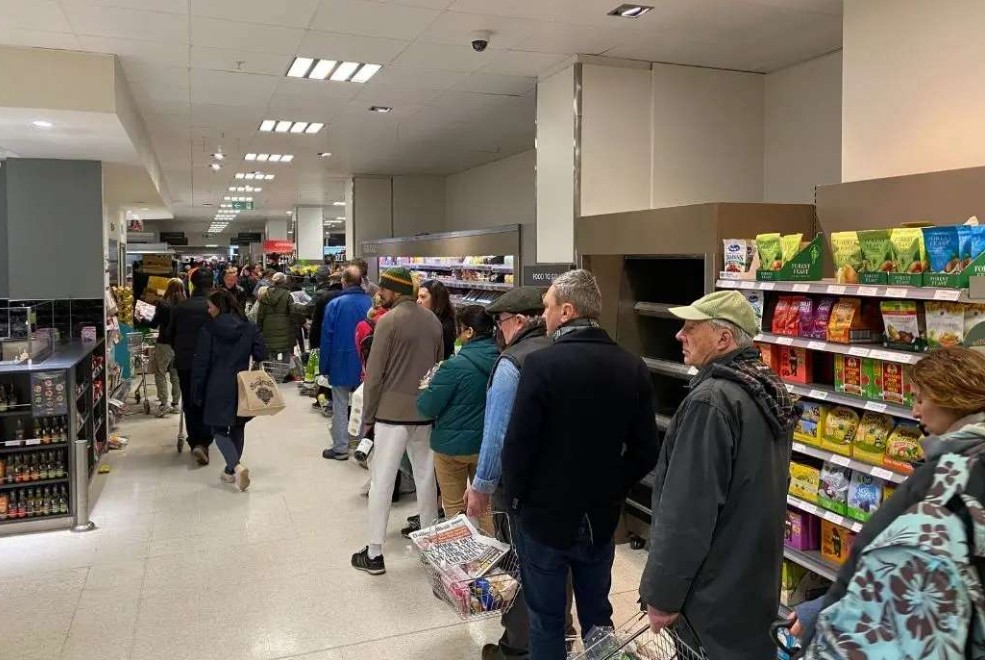
A customer walks into a store intending to buy three items but leaves empty-handed after seeing a long checkout line.
Another arrives to collect an online order expecting a quick pickup, only to wait behind shoppers making in-store purchases.
Elsewhere, fitting room queues grow longer while store associates struggle to manage multiple service points.
Today’s customers expect convenience, speed, and transparency throughout their visit. A poor waiting experience reduces basket size, increases abandoned purchases, discourages repeat visits, and weakens customer loyalty. As a result, many retailers are investing in a Queue Management System in retail to streamline customer flow and improve the in-store experience.
Modern retailers recognize that queue management is no longer just about shortening checkout lines—it has become a strategic capability for improving customer experience and store operations.
Why Waiting Has Become a Competitive Retail Challenge
Modern retailers now serve customers through multiple channels—from in-store shopping and click-and-collect to self-service kiosks and returns. Instead of one checkout line, customers encounter multiple waiting points throughout their visit, each shaping their perception of the brand.
Four Queue Points That Shape the In-Store Experience
Every retail store manages multiple customer queues, whether they are formally recognized or not.
Checkout Queues
Checkout remains the most visible waiting point inside a retail store.
Long checkout lines often lead to:
- Basket abandonment
- Lost impulse purchases
- Lower conversion rates
Modern queue management systems guide customers to the next available register, balance workload across checkout counters, and reduce perceived waiting time through better communication.
Fitting Room Queues
For fashion and apparel retailers, fitting rooms represent another critical service point.
Customers waiting too long often:
- Leave selected items behind
- Purchase fewer products
- Exit the store without completing their shopping
Long waits at fitting rooms often result in abandoned items, fewer purchases, and customers leaving before completing their shopping.
Click-and-Collect (BOPIS) Pickups
Buy Online, Pick Up In Store (BOPIS) customers expect fast collection. When pickup counters share the same queue as checkout, delays undermine the convenience of omnichannel shopping. Dedicated pickup queues help preserve that experience.
Customer Service and Returns
Returns, exchanges, and warranty requests typically take longer than purchases. Digital queuing reduces congestion while helping staff manage these interactions more efficiently.
The Hidden Cost of Poor Queue Management in Retail
Many retailers still evaluate queue performance using average waiting time alone.
However, the business impact extends much further.
Poor queue management can contribute to:
- Reduced sales conversions
- Abandoned purchases
- Lower customer satisfaction
- Declining repeat visits
- Increased pressure on store associates
- Inconsistent service during peak periods
These operational issues rarely appear in one place. Instead, they accumulate across checkout, returns, fitting rooms, and pickup counters, gradually reducing operational efficiency, customer satisfaction, and customer lifetime value.
Why Peak Shopping Periods Expose Operational Weaknesses
Retail queue problems become most visible during periods of high customer demand.
Examples include:
- Holiday seasons
- Weekend traffic
- Promotional campaigns
- New product launches
Stores that operate efficiently during normal trading hours may struggle when customer volumes increase unexpectedly.
Without real-time visibility into queue conditions, managers often react after congestion has already affected the customer experience.
Intelligent queue management enables stores to identify growing bottlenecks early, allowing staff to be reassigned before delays impact sales.
How Modern Queue Management Improves Retail Operations
Today’s queue management systems support far more than customer line organization.
They help retailers create smoother shopping experiences while improving operational decision-making.
Smarter Customer Routing
Customers are directed to the appropriate checkout, pickup counter, fitting room, or service desk, reducing unnecessary waiting and improving traffic flow throughout the store.
Real-Time Queue Visibility
Displaying estimated waiting times and queue status reduces uncertainty and helps customers feel more informed while waiting.
Better Staff Allocation
Managers can monitor service demand across multiple queue points and deploy staff where they are needed most, improving productivity without increasing headcount.
Queue Analytics
Queue analytics helps retailers identify:
- Peak shopping periods
- High-demand service areas
- Average waiting times
- Customer abandonment trends
- Staff utilization patterns
These insights help retailers continuously improve store performance rather than relying on assumptions. For a deep dive: How Queue Analytics Help Businesses Improve Service Performance
Retail Environments That Benefit Most
Although every retailer manages customer flow differently, queue management delivers measurable value across many retail formats.
Fashion & Apparel
Long fitting room waits often reduce conversions. Intelligent queue management keeps customers shopping while they wait.
Electronics Stores
Manage consultations, product demonstrations, and checkout separately.
Supermarkets & Hypermarkets
Balance checkout demand during high-volume shopping periods.
Department Stores
Manage multiple customer service areas without creating congestion.
What Retailers Should Look for in a Queue Management System
When evaluating a queue management solution, retailers should look beyond basic token management and prioritize capabilities that improve both customer experience and operational efficiency.
Key features include:
- Multiple queue types for checkout, fitting rooms, pickups, and service desks
- Mobile check-in and virtual queuing
- Real-time queue monitoring
- Queue analytics and reporting
- Staff workload visibility
- Integration with POS and loyalty systems
- Multi-store scalability
The right solution should improve daily store operations while supporting long-term retail growth.
How ZunaQMS Helps Retailers Deliver Better Shopping Experiences
Retail success depends on more than fast checkouts.
Customers expect every interaction—from entering the store to completing their purchase—to be simple, organized, and predictable.
ZunaQMS helps retailers improve customer flow by:
- Digitizing customer check-in
- Managing multiple queue types simultaneously
- Providing real-time queue visibility
- Improving staff allocation during peak periods
- Reducing congestion across service areas
- Delivering actionable operational analytics
- Supporting seamless omnichannel experiences
By helping retailers manage every customer touchpoint more efficiently, ZunaQMS enables better shopping experiences while improving operational performance.
Conclusion
Retailers no longer compete on product selection and pricing alone. The quality of the in-store experience has become an important factor in customer loyalty and long-term business growth.
Every queue—whether at checkout, a fitting room, a pickup counter, or a service desk—represents an opportunity to strengthen or weaken the customer experience.
Organizations that invest in intelligent queue management can reduce operational friction, improve staff productivity, and create shopping experiences that encourage customers to return.
As retail continues to evolve toward omnichannel experiences, managing customer flow effectively is no longer an operational convenience—it has become a competitive advantage for retailers focused on customer loyalty and long-term growth.